
Starbucks started off as a small coffee shop in 1971. The founders consisted of Gerald Baldwin, Gordon Bowker and Ziev Siegl who exchanged their ideas and launched their first outlet at the Pike Place Market in Seattle. In the early 1980s Howard Schultz joined Starbucks and has later felt the need that Starbucks needed to market themselves. He wanted to create a brand image that would attract customers and help them to differentiate their coffee outlet from other competitors. Schultz visited Italy and was ‘impressed with their popularity and culture.’ He thought it would be a good idea to bring the espresso bars, lattes and mochas to Seattle. Throughout the years Schultz has managed to differentiate Starbucks, creating a very strong brand image in the most unique way in American’s minds, gaining its competitive advantage through the comforting physical environment that they adapt encouraging the lounging experience. Schultz successfully embedded Continue reading
Business Analysis
In today’s complex business environment, an organization’s adaptability, agility, and ability to manage constant change through innovation can be keys to success. Traditional methods may no longer lead to reaching objectives when economic conditions are unfavorable. That’s where business analysis comes in. The basic idea of business analysis is quite simple. It is the practice of identifying and clarifying a problem or issue within a company, then working with the various stakeholders to define and implement an acceptable solution.
Business Model Analysis of Starbucks

Starbucks Coffee company is headquartered in Seattle, Washington. It began in 1971 with just one retail store at Seattle’s historic Pike Place Market. Now it has become the leading brand and retailer in the world. Starbucks went public on June 26, 1992. The main aim of Starbucks is to become the leading brand and retailer of finest coffee in each of its target markets nationally and internationally by selling the best quality coffee and related products, and by providing high class customer service. Starbucks purchases and roasts a high quality whole bean coffees to sell them with fresh, rich-brewed espresso beverages, different varieties of pastries and coffee related accessories and equipment’s. Moreover Starbucks also sells coffee and tea products strategically through other channels such as supermarkets and non traditional retail channels such as United Airlines, Marriott International, Barnes & Noble bookstores and Department stores. More than quality coffee, Starbucks features Continue reading
SWOT Analysis of IKEA

Swedish company IKEA is the world’s largest furniture retailer since the early 1990’s. It sold inexpensive furniture of Scandinavian design. The company operated in 55 countries with a workforce of 76000. IKEA offered nearly 12000 items to the home furnishings market worldwide. It sold a wide range of products including furniture, accessories, bathrooms and kitchens at 186 retail stores in 30 countries across Europe, North America, Southeast Asia, Middle East and Australia. IKEA is well known for its exclusive model, low price, wide range of product and flat packing. IKEA’s success was recognized to its vast experience in the furniture retail market, its product differentiation and cost leadership. The company sold its furniture in kits, to be assembled by the customers at home. In addition to furniture, IKEA also sold utility items such as utensils, hooks, clips, stands, etc. IKEA’s founder Ingvar Kamprad (Kamprad) had built an international furniture chain Continue reading
Case Study: A Look at Tesla’s Challenges Despite Success
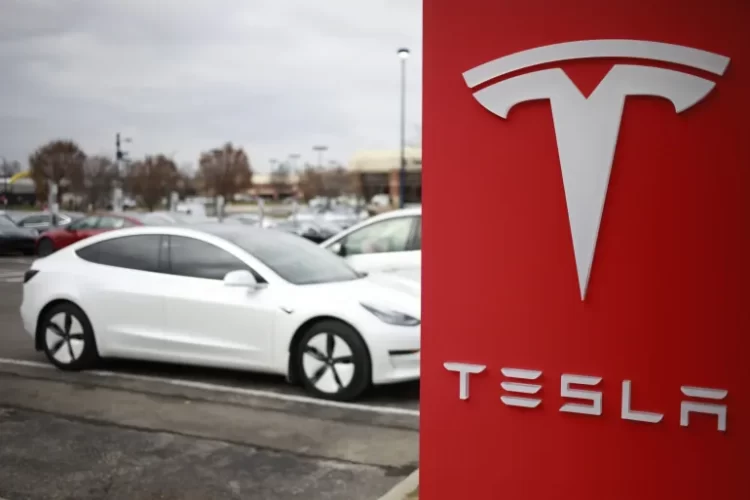
Tesla is the leading American vehicle company manufacturing electric cars, solar roof tiles, and solar panels. Tesla Motors’ foundation belongs to two engineers Martin Eberhard and Marc Tarpenning, who established the company in 2003, attributing its name to Nicola Tesla. The integration of ingenious technologies and forward-thinking led to the creation of an environmentally conscious, powerful, and modern automobile, preserving the sustainability of energy. Elon Musk, as the CEO of Tesla Motors, managed to uplift the company’s name and the vehicles on the global level. Even though Tesla has been a successful manufacturer for over a decade, it still faces issues that are to be solved in the future. Among the main problems the car industry encountered was the issue of cash flows that turned into net losses according to the constant colossal investment in research and development of new vehicles. A currently best-selling model-Tesla 3-was a source of continuous Continue reading
SWOT Analysis of Starbucks Coffee

Starbucks is a coffee chain company which started its business in Seattle which is situated in Washington, United States. Now, Starbucks is recognized as an International Organisation which is famous all over the world for its quality coffee. It has almost 16,120 stores in 49 different countries which makes it the largest coffee company in the world. Apart from coffee Starbucks serves snacks with soft drinks and also espresso based hot drinks. It has also started supplying some fancy items like coffee mugs with Starbucks logo on it. Later on with the brand name of Hear Music Starbucks entered into music division. It has also started selling some books and movies related to the locality of the stores along with some seasonal and specific company products. Also in many countries at various grocery shops Starbucks has started selling ice-cream with its brand name. Today the Starbucks has become the power Continue reading
Strategic Planning Process – Five Stages of Strategic Planning Process
Any company who is trying to become major power in market has to have a properly defined strategy. Strategy is the term which is used to define specific outline according to which the company is going to act in future. It gives a well designed structure that the company will follow in coming time. Strategy is decided according to changing market trends, changing customer’s needs, changing stake holder’s interests and changing actions of competitors. Company need to have proper information about the target they are going to achieve. As per the target they set a strategy. Organizations have definite values and missions. Their stakeholders have several expectations from the company and its operation. Company should regulate their proceedings under some stretch or domain. The management of the company work, regulation of its actions, deciding the proper strategy for future, and successful implementation and evaluation of all the strategy comes under Continue reading