When production runs fast, even a tiny mistake can cause big setbacks like missed deadlines, rework, or lost materials. High-volume manufacturing depends on accuracy at every stage, and that means putting systems in place that help people do their work right the first time. The most reliable plants don’t rely on constant supervision; they’re designed to make errors harder to make in the first place. By embedding quality directly into the workflow, companies can achieve higher throughput without sacrificing safety or product integrity.
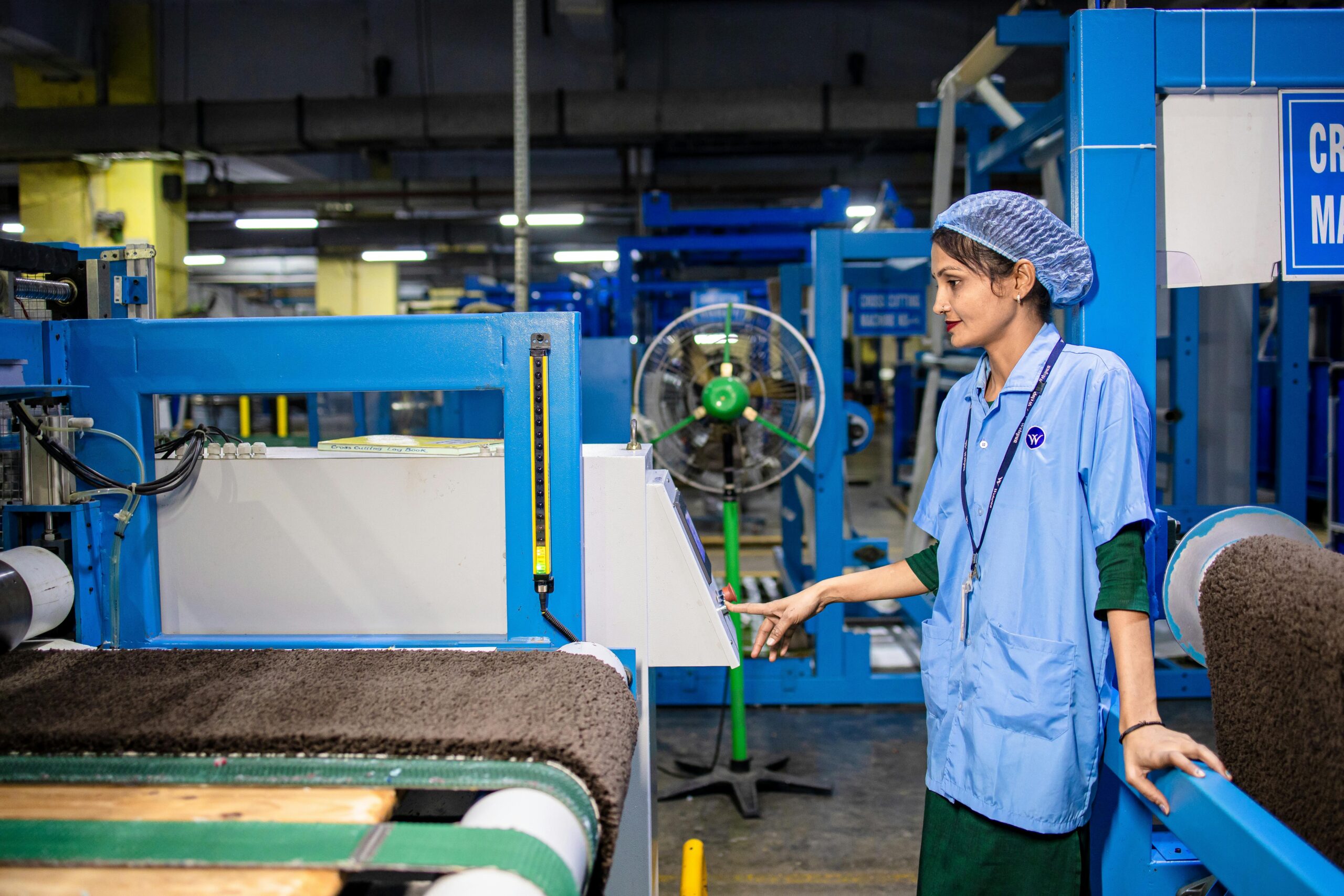
Create Workstations That Work with People
Operators perform thousands of motions every day. If the tools they use or the setup around them aren’t comfortable, fatigue builds up, and attention slips. A good workstation adapts to the person, not the other way around, because when the physical environment supports the worker, their cognitive load decreases, allowing for sustained precision throughout the shift.
Small changes, like torque arms that reduce push and pull forces, work surfaces set at the right height, or rearranged parts bins, can reduce physical strain and increase consistency. With less effort spent fighting awkward positions, operators stay focused longer and perform with fewer slip-ups. Investing in these ergonomic details not only protects worker health but also stabilizes cycle times by eliminating unnecessary movements.
Bring Smart Tools into the Process
Technology is one of the most effective safeguards against human error. Connected tools can detect when torque or sequence is off, alerting operators before a problem becomes a defect. Data from these tools also gives supervisors a clear view of what’s happening in real time. This immediate feedback loop empowers operators to correct their own mistakes instantly rather than passing hidden faults down the line.
Modern workstation technology combines sensors, controllers, and software to create reliable routines that leave less room for improvisation. Manufacturers looking into this type of setup can find more information here. These integrated systems also provide a complete digital paper trail, which proves invaluable for auditing quality and identifying trends for future improvement.
Make Instructions Impossible to Miss
Visual guidance prevents confusion, especially when products vary or new employees are on the line. Digital prompts, color-coded components, or light-guided assembly steps simplify decisions and improve accuracy. Removing the guesswork from the equation ensures that even complex assemblies are completed with the same standard of excellence every time.
To make those systems more effective, many production teams now standardize worklights, use quick-reference screens at each station, and link those visuals to automatic quality checks. When the process guides the operator instead of the other way around, mistakes drop sharply. Furthermore, these visual aids significantly reduce the learning curve, allowing temporary staff or workers rotating between stations to reach peak efficiency much faster.
Keep Skills Fresh Through Ongoing Training
Equipment changes, new models appear, and expectations shift, so training should never stop. Regular refreshers, on-the-job coaching, and short digital tutorials help operators stay sharp. It also builds confidence, which is a big part of preventing rushed or uncertain decisions on the floor. A culture of continuous learning encourages a sense of ownership among employees, making them active participants in quality control rather than just passive assemblers.
Reducing operator error isn’t about perfection; it’s about prevention. A thoughtful mix of ergonomic design, connected tools, clear visual direction, and steady training turns a fast-moving production line into a dependable one that runs smoothly shift after shift.