Neoclassical Theory of Labor Supply Explained
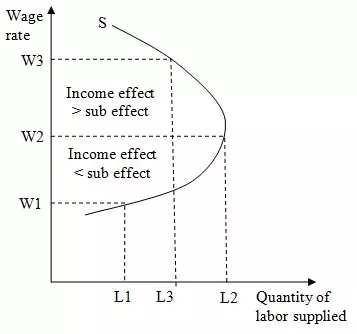
The total number of hours that an individual is capable and willfully supplies at a standard wage rate is called the labor supply. Thus supply of labor involves individuals seeking to be employed for a given an agreed amount of wage. But the neoclassical theory of individual labor supply terms income and leisure as the major source of individual utility. Income that is generated by the individual from work is spent for the leisure activities, depending on the individual’s own preference. However, the changes in the market wage rate impacts the individual in two ways; an increase or decrease in the income and a shift from one activity to the other. In the longer term, the extreme increases and decreases in the wage rate may decline to unacceptable levels forcing individuals to exit the labor market, a situation known as voluntary unemployment. Therefore, the neoclassical theory of individual labor supply Continue reading