Five Stages Of Grief – Understanding the Kübler-Ross Model
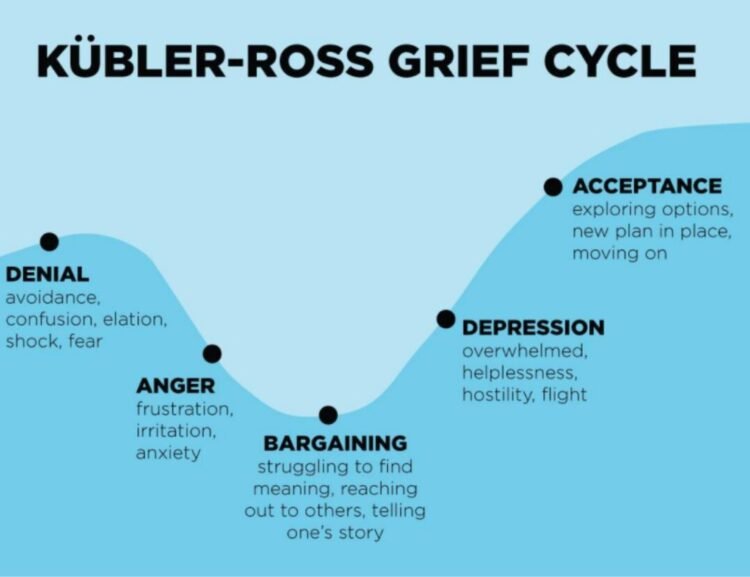
The Kübler-Ross model has shaped the ways in many psychologists and therapists think about grief, bereavement, and dying. The greatest appeal of this approach is that it describes the behavior of a person as a set of different reactions, namely denial, anger, bargaining, depression, and acceptance. By applying this framework, a therapist can believe that the behavior of a person can be more manageable and predictable. Thus, it has significant implications for the counseling of many patients. In particular, it is necessary to demonstrate that the stages identified by Dr. Elizabeth Kübler-Ross are not always consecutive as some people may believe. Secondly, some of these responses may not be present at all. Finally, the experiences of a person in such stressful situations cannot be reduced only to denial, bargaining, anger, depression or acceptance. To a great extent, they depend on the immediate environment of an individual. These are the main ideas Continue reading