Strategic Management Model: Bryson’s Strategy Change Cycle for Strategic Planning
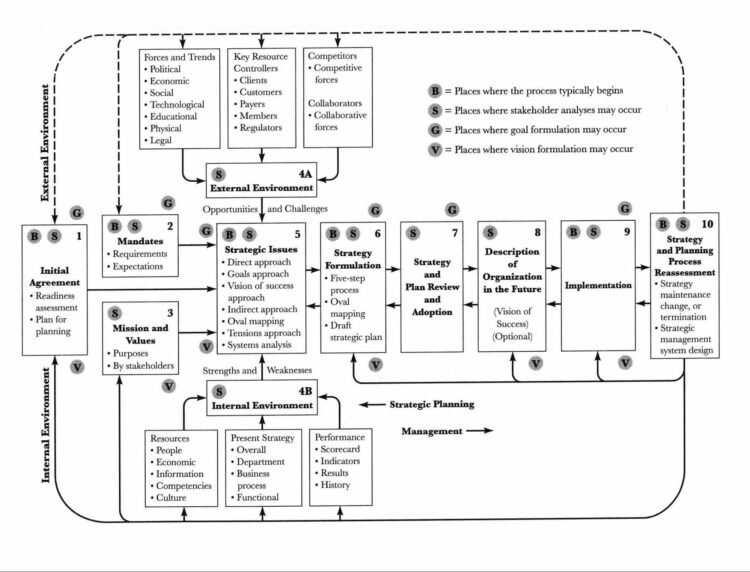
In ensuring effective strategic change in an organization, strategic planning is inevitable for organizations to develop and implement strategies through the strategy change cycle. A strategic change cycle is a systematic procedure that is indispensable in determining whether an organization will be successful. The strategy change cycle is among the primary processes of strategic management that links the processes of planning and implementation and ensures that the process is carried out consistently and in alignment with specific organizational goals. The following section discusses ten vertical steps in the change cycle by keenly describing why they are essential for organizations in planning and implementing their strategies. Its purpose is to develop a consistent commitment to the mission and vision of an organization, both internally and externally, at the same time with maintaining a clear focus on the organizational agenda with the help of relevant activities and decision-making processes. Strategy Change Cycle Continue reading

Resources for Running Successful Sales Operations

In an increasingly competitive marketplace, sales operations have become critical for organizations striving to achieve their revenue targets. Employing the right mix of tools and strategies is non-negotiable for enterprises aiming to enhance their sales efficiency and effectiveness. From customer relationship management to analytics, there’s a plethora of aspects to consider when shaping a successful sales operations framework. Below, we delve into the resources and practices that can empower sales teams to exceed their goals. Essential Tools for Enhancing Your Sales Operations Strategy In a successful sales operations strategy, essential tools like CRM systems, data analytics platforms, and communication software are pivotal. These tools streamline tasks from lead tracking to deal closure, ensuring seamless operations. A dynamic CRM system acts as a central hub for customer interactions, offering sales teams a unified view to manage pipelines effectively. Meanwhile, business text messaging plays a crucial role in maintaining continuous engagement with Continue reading

Keller’s Brand Equity Model or Brand Resonance Model

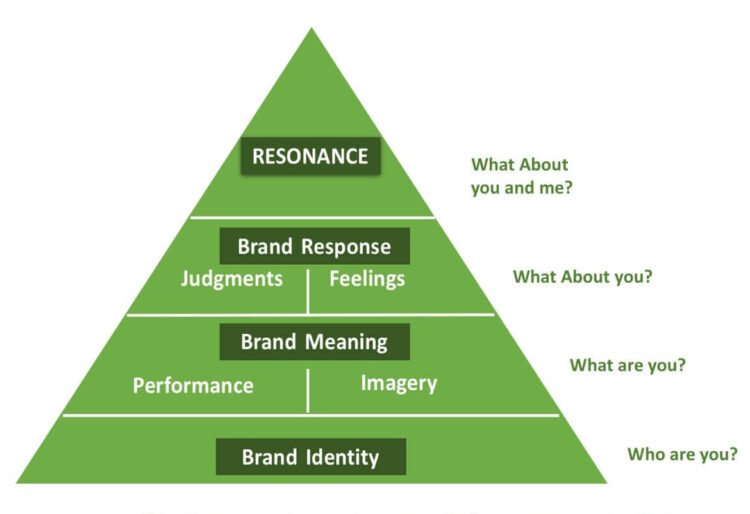
A brand is defined as a name, term, sign symbol (or a combination of these) that identifies the maker or seller of the product.  In order for a brand to succeed in the ever increasing market, brand building activities such as promotion and advertisement must be conducted in order to gain awareness to establish and promote the company. Financially, Brand Equity is described as the total value of a brand which is a separable asset – when it is sold or included in a balance sheet. Kotler (2013) defines Brand Equity as the “differential effect that knowing the brand name has on customer response to the product or its marketing.” Aaker (1991) defines Brand Equity as, “a set of brand assets and liabilities linked to a brand, its name and symbol, that add to or subtract from the value provided by a product or service to a firm and/or that Continue reading

360 Degree Performance Evaluation – Meaning, Process, Advantages and Disadvantages

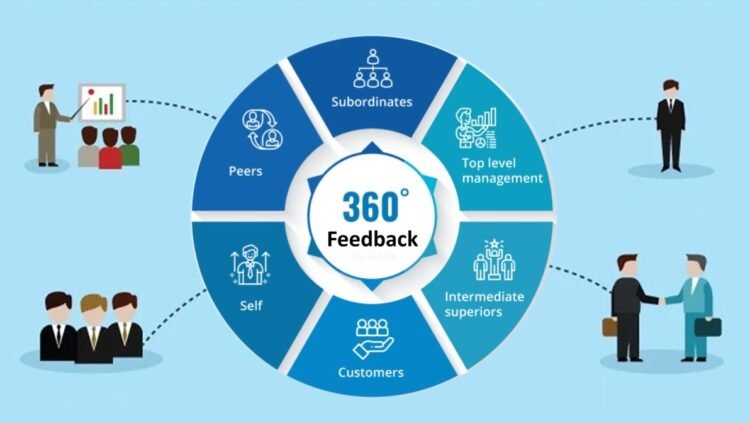
Meaning and Process of 360 Degree Performance Evaluation Performance evaluations are an official interaction between managers and employees in which the manager assesses job performance and discusses in detail strengths, weaknesses and opportunities for development of the employee. Performance reviews serve as an important part of a human resource management systems. Measuring job performance, developing leadership skills, and designing a career path are the major uses of performance appraisal. Ideally, management conducts appraisals in an objective, consistent, and fair way. There are different forms of appraisals that organizations may choose to employ, including, 360 degree performance evaluation, management by objectives and a rating scale. A 360 degree performance evaluation (sometimes referred to as 360-degree feedback), utilizes input from oneself, colleagues, subordinates, and customers, as well as managerial feedback to complete the appraisal of job performance. The philosophy behind gaining feedback from a self-assessment and a variety of additional sources is Continue reading

Case Study of Wrigley’s Orbit: Product Innovation with Market Trends for Success

Innovation can be defined as a continuous process, which is implemented in organizational practices to increase the product line and to inspire customer’s perception either in an existing or a new market. Market performance is measured through various parameters such as varying nature of market shares, profitability venture, increasing or decreasing the number of customer base and a fluctuating behavior of sales & revenues. Innovation is strongly related to market performance. It really impacts the behavior of market performance; however, the impact could be both positive and negative. When innovation brings a new product or a new service it may or may not be successful. Moreover, the market performance may produce a positive or a negative result as well. The following case study of Wrigley’s Orbit in UK market is aimed at understanding market trends that produce innovation in the market. Wrigley’s have started as a small business with just Continue reading

How to Create a Culture of Innovation in Your Organization

Innovation is the lifeblood of any thriving organization. It drives progress, fosters creativity, and helps companies stay competitive in a rapidly changing market. Cultivating a culture of innovation within your organization can lead to groundbreaking ideas and sustainable growth. Here are some strategies to help you build and nurture an innovative environment. Foster a Safe Environment Creating a safe and inclusive environment is essential for fostering innovation. Employees need to feel secure in sharing their ideas without fear of ridicule or retribution. It’s important to perform thorough background checks for employees to ensure safety and establish a foundation of trust and integrity within your organization. Companies in the medical field should carry out a medical field background check, for example, to ensure that all staff meet stringent standards, which parallels the need for a secure environment where ideas can flourish. Encourage Open Communication Open communication channels are vital for innovation. Continue reading