What is Departmentalization?
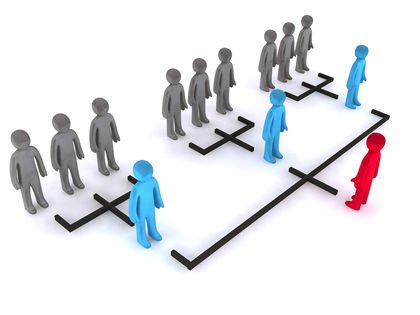
Departmentalization is the grouping of activities and responsibilities by sub-units of the organization. These sub-units are called departments. The division of labor or degree of departmentalization is driven by the need for specialization whether by process or purpose within an organization. The most common way of process departmentalization is the division of the firm into business functions, such as purchasing, manufacturing, sales, accounting, etc. Departmentalization specifies how employees and their activities are grouped together. It is a fundamental strategy for coordinating organizational activities, because it influences organizational behavior in the following ways: Departmentalization establishes the chain of command – the system of common supervision among positions and units within the organization. It frames the membership of formal work teams and typically determines which positions and units must share resources. Thus, departmentalization establishes interdependencies among employees and subunits. Departmentalization focuses people around common mental models or ways of thinking, such as Continue reading
