Assessing Different Types of Innovation
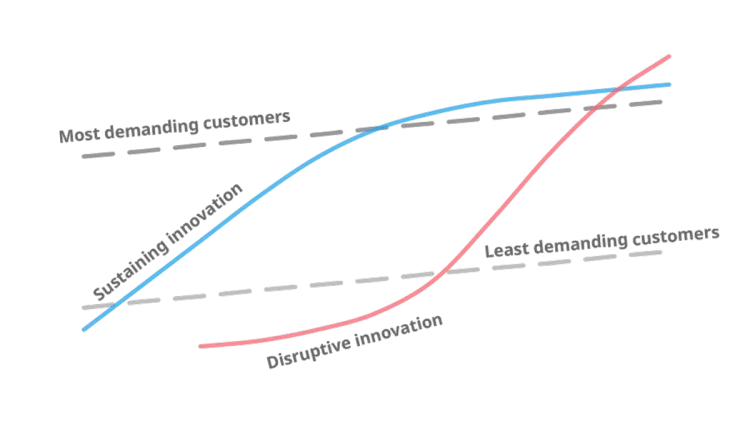
The majority of businesses need help with innovation. Only 6% of executives are truly happy with their performance in terms of innovation, according to McKinsey. Due to this, it is challenging how few corporate leaders have the confidence or expertise to address the issue before it is too late. Generally speaking, disruptive, incremental, bincremental, and radical innovations differ significantly from what businesses are used to doing most of the time. 1. Disruptive Innovation Since no system, method, or industry is immune to disruption, many find it beneficial to seek new disruptive discoveries. Reusing resources like technology can help generate new ideas that appeal to consumers. To illustrate, consider the rise of the iPhone from Apple Inc., which popularized touch displays over conventional button phones. Disruptive innovations, like everyday commercial ventures, are unmanageable because they are riskier than incremental improvements. Standardization is used to improve quality and create new goods and Continue reading

Segmentation, Targeting & Positioning (STP) as an Integral Part of Marketing

Segmentation, Targeting & Positioning (STP): Exploring the Concepts and Locating the Connections between Them Although often underrated by general audiences, the subject of marketing is very complex, and the strategies used by companies to promote their brand are quite intricate. Understanding the reasons for these approaches to have the tremendous positive effect by which they can currently be characterised is critical to the overall promotion of progress within the specified area. By deconstructing the essential elements of marketing in the contemporary economic environment, one will be able to delineate a common trend and suggest options for enhancing the existing marketing process. As a result, opportunities for improving the framework for catering to customers’ needs will be provided. The STP framework itself is rather basic and, therefore, quite simple to follow. As the title suggests, it consists of three key elements, specifically, Segmentation, Targeting, and Positioning. The decision to combine the Continue reading

Building Trust at Scale: Lessons in Transparency and Security from Billion-Dollar Digital Platforms

In today’s online economy, companies that handle millions of daily transactions and sensitive customer data have learned that trust is the single most valuable currency. Leading entertainment companies now invest billions in advanced security systems, transparent operations, and clear communication because they understand that one serious breach or perception of unfairness can destroy years of goodwill overnight. For instance, popular real-time games such as the live monopoly game broadcast from professional studios demonstrate how modern businesses combine entertainment with strict fairness controls and encrypted connections to create confidence among millions of users worldwide. The most successful online companies treat transparency and security as core business functions rather than mere compliance checkboxes. This article examines the concrete practices that allow large-scale digital enterprises to maintain customer trust while operating 24 hours a day across multiple countries. The Foundation of Trust: Independent Audits and Visible Fairness Large online entertainment companies routinely invite Continue reading

Employee Reward Management – Meaning, Components, Process, and Issues

Reward management entails the formulation, maintenance, communication and evaluation of reward processes that assist an organization in enhancing its performance as well as achieve its objectives. Successful organizations manage their reward practices in such a way that enables them to come up with accurate predictions with regards to what innovations are best suited for the organization as well as ensuring that whatever activities that they engaged in currently will assist them in delivering the expected results. Such organizations strive to avoid ‘folly of rewarding A while hoping for B’. These organizations opt for the evidence based management approach. Evidence-based reward management refers to the kind of management approach that is justified by improvement in the organization’s performance. In other words, it implies that the effectiveness of the reward management approach can be measured against a certain set of indicators to ascertain whether they have impacted the performance of the organization in Continue reading

Managing Procurement and Supply in Modern Organizations

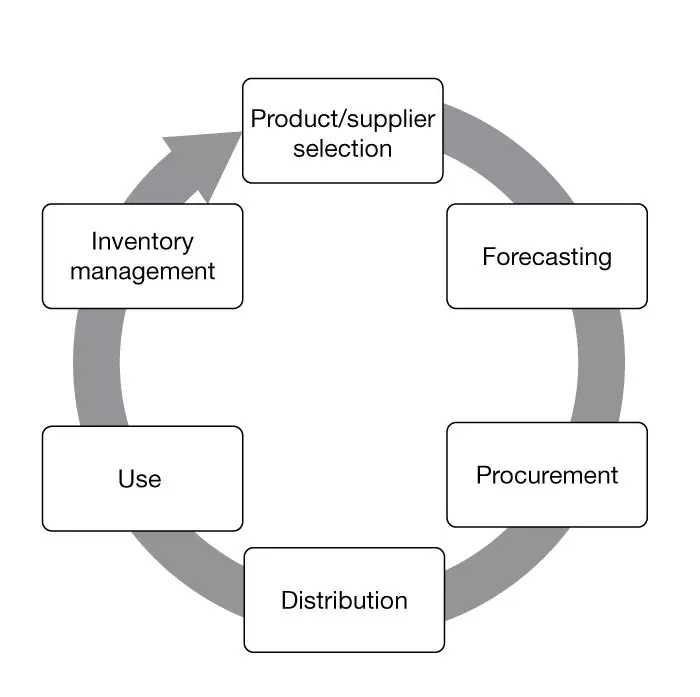
In the current competitive business environment, the success of a firm is partly determined by the strategies it uses in managing procurement and supply chains. One of the ways of ensuring that a firm gets the best value in its procurement and supply chain is to use effective negotiation strategies. Negotiation is defined as a process in which two or more people with differing views, reach agreement by the use of different methods of persuasion. A negotiation process can only be considered a success if the two parties reach an agreement. Not all negotiations often end up in an agreement. However, if the parties can agree on the contentious issues involved, then the process is considered completed. Acquiring raw materials from suppliers is a process that requires negotiation. While the supplier may try to get as much profit from the supplies as possible, the buyer would want to purchase the Continue reading

9 Tips for Building Long-Term Financial Security

Building long-term financial security requires more than just saving money. To do this, you’ll need a sustainable plan that supports your daily life while safeguarding your future. Whether you’re approaching retirement or just starting your career, building smart habits can be helpful. You must learn how to manage debt properly and make smart investment decisions to enjoy lasting stability. You can create a strong foundation with clear targets and adequate planning. Keep reading to discover helpful tips for achieving this. The Importance of Building Financial Security You’ll need financial security to become independent, stable, and gain peace of mind. It ensures that you can meet your daily needs, deal with emergencies, and plan for your future without constant stress. A solid financial foundation can protect you from unexpected setbacks, such as the following: Job loss Sudden home repairs Medical expenses Economic downturns Natural disasters Being financially secure also means that Continue reading