Software development processes are the structures or processes imposed on the development of a software product. To produce a successful and qualitative software product certain processes management criteria need to be considered. A process is a particular method of doing something, generally involving a number of steps or operations. A software development project will have at least development activities and project management activities. The development process focuses on the activities directly related to the production of software that is design, coding, and testing. Project management processes focus on planning, estimation, scheduling and taking corrective action when things do not go as per plan. Configuration management processes focus on change and configuration control, so that the correct, tested and approved version of software component are put together for delivery. The process management processes focus on the management and improvement of these processes. The four named processes will be discussed in detail; Continue reading
Information Technology
Impact of E-Commerce in Banking Sector
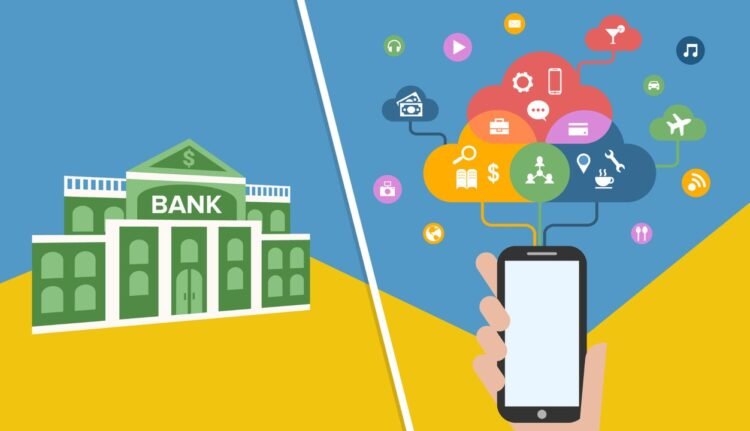
Advancement in information technologies and improvement of the Internet access have not only changed the way businesses are being conducted, but have also resulted in cutthroat competition on the global market. As a consequence, strategic companies have incorporated and integrated information technologies in their operations to create competitive advantages and to sustain their existing competitive advantage. The banking industry has incorporated web-based information technologies to synchronize with the market trends. Precisely, banks have adopted electronic commerce (e-commerce) products and services in a move to keep in touch with the globalized economy and ongoing migration of people, entities, and businesses to the cyberspace. E-commerce refers to the utilization of the internet as a distribution channel to sell banking products and services to either existing or potential customers. From a broader perspective, e-commerce involves electronic exchange of products (mainly services), information, and payments. It also entails establishment and sustenance of web-based relations, Continue reading
Role of Information System in Business Process Reengineering (BPR)
Business process reengineering concepts comes from management theories and introduce in 18th century. The purpose of business process reengineering is to make the business in best condition. The companies use the reengineering process to make the business in best position and to achieve the company goals. Business process reengineering means not only change but structural change. What kind of structural change in the organization, managing system, employee responsibilities, reward system, and information technology. Many organizations want to change the management of the organization but they not identified which part of work is to be changed. But the business process reengineering (BPR) is the concept of management and that has been formed by practical experience. BPR is not only impact inside the organization but also the external supplier and customer as well. BPR is help to increase the organization financial report and customer satisfaction and also find out the way how Continue reading
E-Commerce and Factors Influencing the Evolution of Electronic Commerce
Electronic commerce has revolutionized the traditional business process of buying and selling on the high street shops by deploying the Internet and technology to reach a vast customer base. The increased use of Internet by the general public and the growth of information technology products to support effective and service transaction over the Internet have apparently fueled the growth of electronic commerce. This statement makes it clear that the electronic commerce has achieved a key position in the business process of an organization. The critical factors that contribute the growth of electronic commerce are: Growth of Internet: The Internet has seen a tremendous growth in the past five years making it a potential place for communicating to many customers both efficiently as well as cost effectively. The process of e marketing by which a customer over the Internet is reached through electronic mails or other form of adverts in the Continue reading
Uses and Risks of Personal Data in Big Corporations

Big Data has taken a huge role in art in creating today’s Technological Revolution. It is a phrase coined to describe the exponential volume of data we currently hold. Data is collected from a number of sources including cell phones, applications, databases, servers, etc. In return, it can then be used to find trends, patterns, and connections specifically related to how humans behave along with their interactions. This information includes likes, dislikes, preferences, and search and buyer history and is not limited to personal data such as birthdate, social security number, home address, and much more. Corporations across the globe have found new ways to use this data in everyday business functions. The collection of Big Data can be used to a company’s advantage in marketing, finance, and Government. Despite the fact that in a few situations Big Data can be hard to control, it can possibly enable organizations to Continue reading
Case Study of FedEx: Leveraging Information Technology to Grow Business

Federal Express is a global express transportation and logistics company that offers customers a single source for global shipping, logistics, and supply chain solutions. It was founded in 1973 by Frederick W. Smith. Since its inception FedEx pioneered the express delivery industry. The company focused on the core business of express delivery and provided overnight delivery services to the customers globally. However, the transformation of businesses and customers from old economy to the new economy forced FedEx to reposition itself from ‘overnight delivery service’ to a ‘one-stop-shop’ for the entire logistics requirement of the business. The company became the logistics service provider of leading organizations, like, General Motors. Background of FedEx During the late 1960s, Frederick Smith (Smith) chanced upon an idea to start an airline courier company. During this period, it was common practice to send packages as cargo on commercial carriers like American, United or Delta Airlines. This Continue reading