Bitcoin fall in a broad form of monetary history. Bitcoin is a decentralized digital money that may be sent from user to user on the peer-to-peer Bitcoin network without intermediaries. Network nodes verify transactions via cryptography and are recorded in a distributed public ledger called a blockchain. A blockchain is a distributed digital database that records all cryptocurrency transactions. It is constantly expanding as completed blocks and new recordings are added. Each block includes the previous block’s cryptographic hash, a timestamp, and transaction data. Bitcoin nodes utilize the blockchain to distinguish valid transactions. Bitcoin transactions from attempts to re-spend coins that an unknown individual or organization under open-source. Bitcoin and cryptocurrency can revolutionize how people store, transfer, and create value in money.
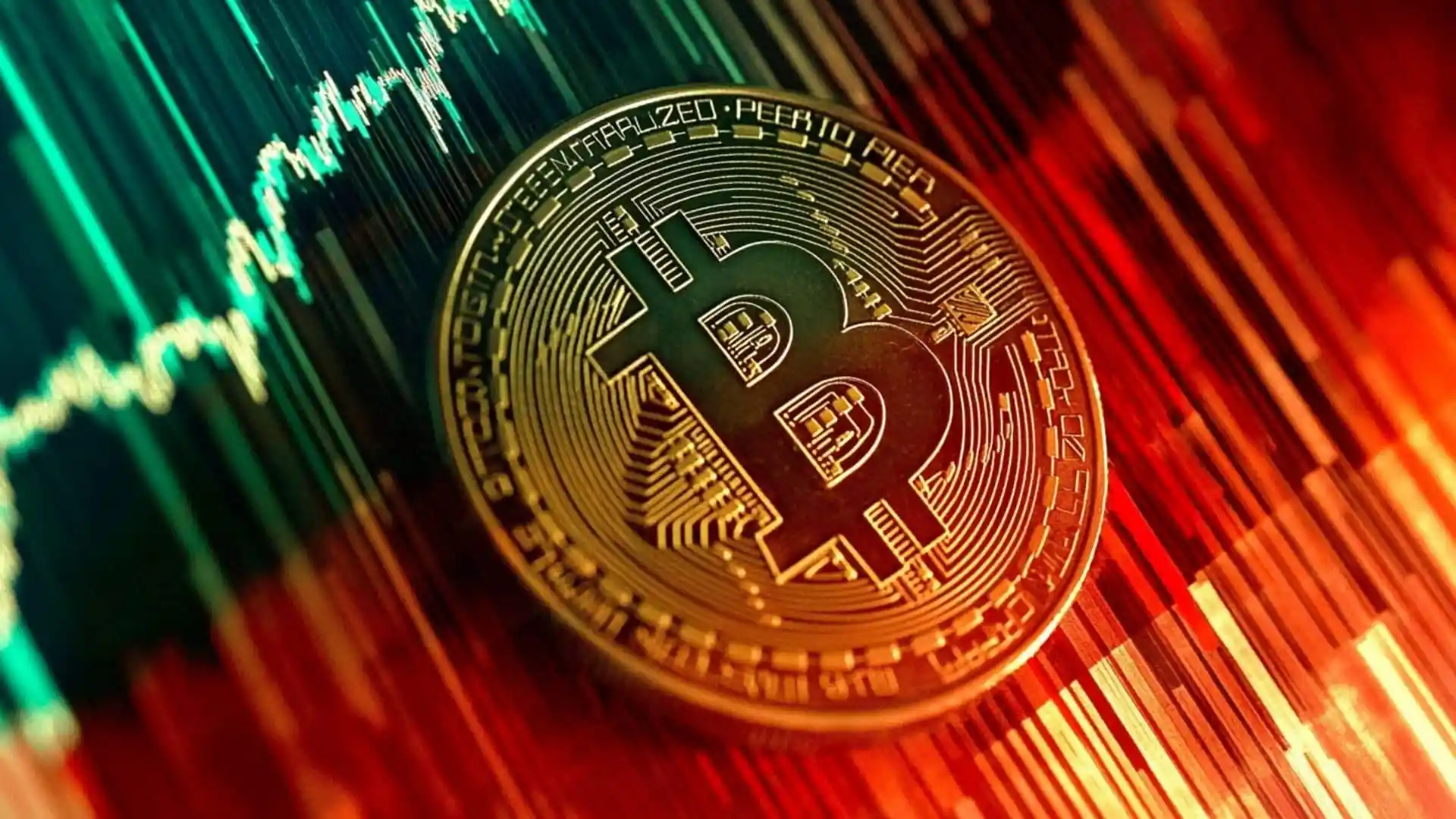
Naturally, money is believed to be a physical commodity that may be used as a medium of exchange, such as gold or silver. People consider money a unit of account, a store of value, and a means of trade. Money can be both tangible and accounting units. Money is a physical commodity employed as a medium of exchange and a unit of account when employed as a store of value. The method by which banks produce money through lending is so elementary that it repels the mind. For instance, banks generate revenue by lending money they do not possess. Ultimately, confidence must be placed in the honesty and integrity of the organization that issues and regulates the amount of currency in circulation. The government is responsible for issuing money and controlling its supply; it is improper and harmful to allow private entities to do so. Whether issued by a government or a commercial bank, the value of money originates from confidence in the issuing entity.
Investors naturally regard Bitcoin as a speculative asset, and its price has been volatile. Bitcoin fits into the comprehensive history of money in multiple ways. Bitcoin accounts for money in a variety of ways. It is a decentralized currency, meaning any government or financial entity does not control it. It is a digital currency used to purchase online products and services. Bitcoin is a global currency, meaning it may be used everywhere. Despite these benefits, there are numerous hazards connected with investing in Bitcoin. One of these hazards is that the price of Bitcoin is highly volatile and subject to sudden changes. This means that Bitcoin investments could result in substantial financial losses. Another risk is that Bitcoin’s underlying technology, blockchain, is still in its infancy and not completely understood. This means that the Bitcoin network might be hacked or that Bitcoin’s value could drop if the technology cannot scale.
The emergence of money involves a critical process whereby commodities were utilized as currency in the past. Gold, silver, and shells were universally desirable and acceptable objects. As time progressed, they began to utilize metal bits as currency. These items were easier to transport and divide than commodities. Gold and silver were the first metal coins minted in China at approximately 1000 B.C. People began using paper over time, and the first paper currency was created in China between 700 and 800 AD. In approximately 1800 BCE, the Roman Empire established the first banks.
In 1816, England initially adopted the Gold Standard, and in the 1920s, credit cards were first issued. In the 1990s, online payments became available for the first time. Digital currencies initially appeared in the 2000s. The most crucial event in human history is the creation of money. Throughout the history of numerous nations, money has caused some of the most crucial occasions. The invention of money allowed individuals to exchange products and services without negotiating a fair price. Due to its portability and compact size, paper currency facilitated international trade. Individuals can invest in potentially growing currencies and spend more easily using digital currency.
Money emerged in the early 19th century, whereby various forms of money were utilized. For instance, DigiCash, e-Gold, and Liberty Reserve were some of the earliest attempts in the 1990s. Bitcoin, however, is the first digital currency to gain mainstream traction and become widely accepted. It has also revolutionized the way money is transferred, allowing people to exchange money across the globe quickly and securely. This has made Bitcoin an attractive alternative to traditional banking systems, which are often slow and expensive.
In comparison between Bitcoin and past forms of money, it is evident that Bitcoin is superior to previous types of currency for several reasons. Bitcoin is decentralized, meaning that no single entity controls it. No central authority, such as a bank, verifies and approves Bitcoin transactions. This task is instead distributed across a network of computers that anyone can join. Bitcoin is unlike previous forms of money, which a central authority has always governed. Traditional payment systems record all transactions through a third party, such as a bank.
Bitcoin is a digital currency that is much different from any other past form of money that has existed in the past. Unlike traditional currencies, Bitcoin is not issued or backed by any government or central bank and is not physical. It is digital and stored on a distributed ledger system called the blockchain. Bitcoin is also decentralized, meaning any single authority does not manage it. Instead, transactions are verified by a network of computers running specialized software. Bitcoin also has no physical form and is created through mining, in which powerful computers solve complex mathematical equations to generate new currency units. Bitcoin is highly secure, with advanced encryption technology protecting individual users and their funds, unlike past forms of money. Bitcoin offers users anonymity and privacy that is not available with traditional currencies. Its decentralized structure makes it resistant to manipulation or control by any single entity. The digital nature of Bitcoin makes it more accessible than other forms of currency, enabling users to make secure, fast, and low-cost payments across the globe.
Unlike the past forms of money, bitcoin transactions are recorded on a public ledger that anyone can view. Another reason is that only 21 million bitcoins will ever be created, making them scarce. This makes gold a greater store of value than fiat currencies, which central banks can generate indefinitely at any time. Bitcoin is a decentralized currency, meaning no single entity controls it. Instead of a central authority like a bank, a network of computers verifies and authorizes transactions. Bitcoin is likewise limited, as only 21 million have ever been made. This makes it a greater store of value than fiat currencies, which central banks can generate indefinitely at any time.
There are distinctions between Bitcoin and other forms of digital money. Bitcoin is the most popular and well-known digital currency, with its unique characteristics and advantages. While other digital currencies, such as Ethereum and Ripple, are based on decentralized networks and blockchain technology, Bitcoin is the first and only digital currency with no physical form. Another key difference between Bitcoin and other emerging forms of money is that Bitcoin is entirely decentralized, meaning it is not governed or controlled by any central authority. Due to Decentralization, transactions in Bitcoin are secure, and no one can interfere with them, unlike other emerging forms of money. Other digital currencies may be more centralized, and transactions can be subject to interference from a central authority. Bitcoin is the only digital currency completely decentralized, meaning that users can make transactions without needing to trust any third-party. This makes it a secure and anonymous currency and the most popular digital currency in the world. Other digital currencies may require users to trust third-party services or may not be as secure.
Bitcoin is the most established and well-known form of digital money today, but there are other emerging forms. These include Ethereum, Litecoin, Ripple, and many more. These crypto assets offer similar features to Bitcoin, such as Decentralization, low transaction fees, and fast transaction times. However, each of these coins also has its unique characteristics and technological features. For example, Ethereum offers smart contract capabilities, while Ripple focuses on providing a quick and efficient cross-border payment system. This other digital money offers users different benefits, such as increased privacy.
In addition, unlike other forms of digital money, Bitcoin is the only digital currency supported by a major government. This gives Bitcoin the legitimacy lacking in other digital currencies. Many businesses and individuals accept Bitcoin as the only digital currency. This means that Bitcoin, unlike other digital currencies, has value in the actual world. Bitcoin is the only currency not prone to inflation due to its restricted quantity. Bitcoin is the only digital money unaffected by inflation.
In conclusion, Bitcoin is a modern decentralized form that gains its autonomy since any authority or central bank does not offer it. Various forms of cryptocurrency have been utilized, for instance, the DigiCah, e-Gold and Liberty Reserve. Bitcoin, however, is the first digital currency to gain mainstream traction and become widely accepted. It has also revolutionized how money is transferred, allowing people to exchange money quickly and securely. Thus, making Bitcoin an attractive alternative to traditional banking systems, which are often slow and expensive.