Customer Relationship Management (CRM) is a common buzzword in today’s business circles. Some researchers define it as an interactive tool for managing a company’s relationship with its customers, or clients, while others perceive it as a set of processes and activities for organisations to communicate with internal and external shareholders. CRM strives to do three main things – create precise marketing campaigns, create a coherent view of customers, and create an effective consumer database. Precision marketing predominantly focuses on creating products and services that appeal to customer needs (to increase sales). The database creation is part of wider trend created by CRM to increase investments in data warehouses.
Companies adopt CRM by buying appropriate software. CRM software applies to key service areas of an organisation, such as marketing, customer service, and technical support. Its functions include providing a central database where customer related information is stored, retrieves and display that information and reporting tools to interrogate it and answer questions critical to the business. Observers say companies use CRM software to track, manage, and store information that relates to their customer relationship platforms. The main goal of doing so is to enhance a company’s relationship with its customers. Through the codification of customer-business interactions, CRM software has allowed many companies to benefit from increased sales and improved customer loyalty.
Using key performance indicators, companies have also used the CRM software to target their customer service strategies in key performance areas. Companies that have done so have decreased idle time and deleted unproductive contacts in their customer service lists. Based on the opportunities that CRM offers, this article explores the CRM software by exploring its background, benefits, and limitations. However, before delving into this analysis, it is, first, important to understand CRM software.
What is CRM Software?
There are different types of CRM software. Sales automation software and campaign management software are the main types of software in business. Both types describe the full CRM software. However, many companies have been using a paired version of the full CRM software because it could offer the same advantages as the complete software version.
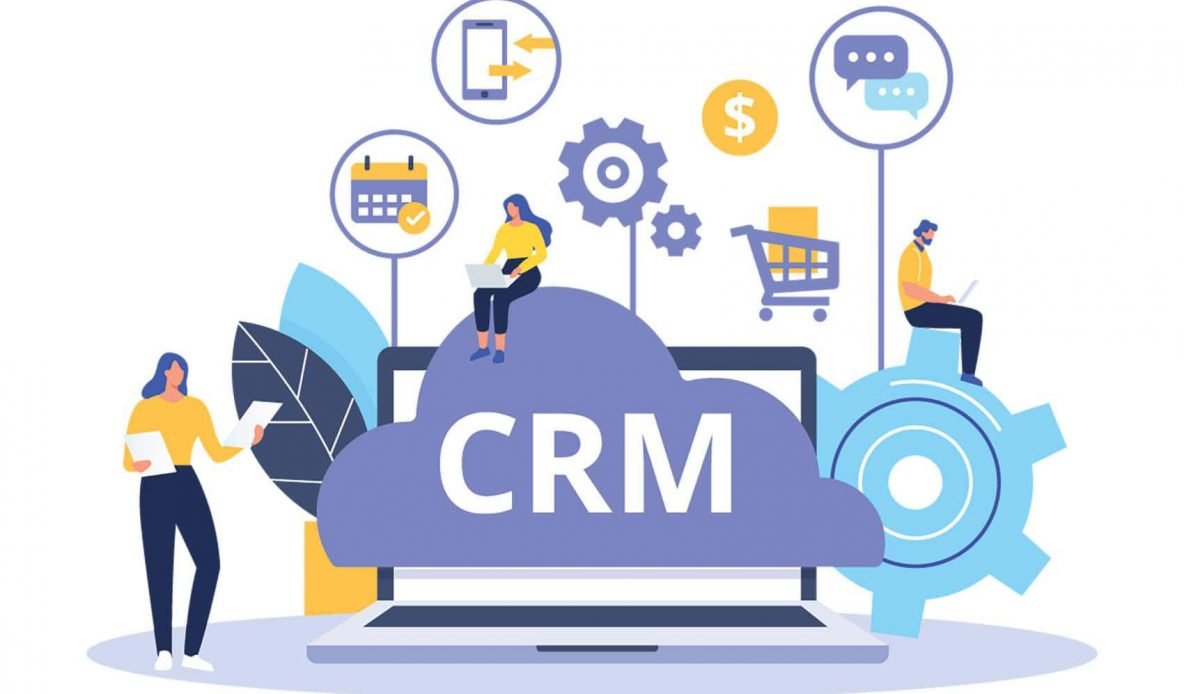
The CRM software appeals to several organisations because it offers many of the advantages associated with the full CRM package, without causing disruptions to an organisation’s operations. For many customer-oriented start-ups, the CRM software only helps to augment existing customer service procedures, as opposed to replacing them with alternative procedures. Lastly, the typical CRM software provides a basic method of tracking and documenting customer needs. This platform simplifies the customer service process by providing personalised service to customers.
What Necessitated the Introduction of CRM Software?
Researchers have linked the rise of CRM software to decades of globalisation, which created an increased need for organisations to cope with changing customer demands and preferences. The onset of mass production in the late 19th century and early 20th century created an increase in products and customers worldwide. Businesses had trouble keeping up with demand and ultimately lost the personal touch they had with customers because the customers became “numbers” in company systems. For example, the purchasing process that allowed customers and businesses to interact changed. Businesses did not interact with customers directly because agents stepped in the supply chain to offer mass products and services to customers on behalf of the manufacturers.
Consequently, many businesses lost their understanding of the individual needs of customers. However, this trend recently changed as the businesses strived to re-establish a personalised relationship with their customers. Doing so has been problematic. This is why many companies have decided to use technological tools to help them re-establish customer relationships. Through this need, CRM was born. Based on these intrigues, software developers have based CRM software on the four building blocks outlined below
How Does the CRM Software Work?
Many people have confused CRM with relationship marketing. However, the latter stems from a different philosophy of customer relationship management, which argues that most customers would be inclined to stay with an organisation if they enjoy beneficial relationships with their service providers. Some experts have simplified the concept of relationship marketing by saying that it involves attracting, maintaining, and enhancing business-customer relationships. Others believe it describes the nature of relationship between businesses and their customers. Customer Relationship Management (or CRM) is a phrase that describes how a business interacts with its customers. Most people think of CRM as a system to capture information about customers. However, that is only part of the picture. CRM involves using technology to gather the intelligence you need to provide improved support and services to your customers.
The CRM concept is useful in implementing this process by providing the right tools for applying relationship-marketing concepts. To realise these benefits, companies adopt CRM software differently. However, commonly, they install the software in call centres and provide customers with information regarding their questions, or direct them to the right agent where they would get help. To explain this fact, some experts say, CRM technology applications link front office (such as sales, marketing and customer service) and back office (such as finance, operations, logistics and human resources) functions with the company’s customer touch points.
What are the Benefits of CRM Software?
As highlighted in this aticle, the CRM software helps organisations to maintain and utilise a comprehensive database for customer relationship management. Such databases could add value to an organisation in different ways. However, generally, they are instrumental in improving business-business relationships and business-customer relationships.
Business-Customer Relationships (B2C)
Customers have often grappled with the problem of poor customer service, even with organisations that have well established customer service centres. The CRM software helps customers to realise improved service quality by building a consistent experience with service providers. For example, since CRM allows employees to see a customer’s service history, customers are bound to enjoy the benefit of interacting with a well-informed employee.
Having access to a customer’s service history also allows a company to suggest suitable products that would suit the needs of a customer. Similarly, armed with adequate information about a customer, a technical support employee could help customers solve their concerns at an appropriate level of support. By regularising business-customer relations, the CRM software could also allow customer service employees to hone their skills by optimising their customer service techniques.
This could happen by enabling service providers to offer targeted solutions to customer needs. This way, customers could avoid getting irrelevant information from companies. Poor customer service is a common problem that highlights this challenge because customer service employees often suffer from fatigue and repetitively answering customer questions.
The CRM software helps to solve this problem by “gamifying” customer service environments by tapping into their needs for achievement and status in the customer service environment. Therefore, through their visceral need for achievement, customer service employees improve their services through a structured competitive environment.
Business-Business Relationships (B2B)
Despite the common understanding that CRM software works to improve business-customer relationships (only), evidence shows that CRM software could also improve B2B relationships. The benefits that most businesses enjoy from adopting the CRM software emanate from improved information transfers and improvements in organisational efficiencies. These benefits emerge in different ways.
For example, increased collaboration in the workplace, through CRM software applications, improves cohesion among employees and, by extension, productivity in the organisation. This benefit is useful to organisations that have different employees working on a single account.
For example, X Company is a human resource company that used information integration capabilities of the CRM software successfully to improve its customer service relationships. The software allowed employees to know their customers and understand the types of products and services they were interested in. However, the company’s management said the greatest problem they encountered when using the software was its inability to track changes in customer preferences.
For example, although the software allowed them to know who was buying from them, they could not ascertain why the customers kept coming back to them. Nonetheless, referring to the advantages of the CRM software. The CRM software provides tools to organise multi‐step interactions, helps to organise and prioritise sales leads, answer customer service requests, and other common workflows.
Although B2B advantages of CRM complement B2C relationships, both types of relationships have different characteristics (business-to-business relationships have a longer maturity time than business-to-customer relationships). Therefore, the best software for B2B relationships should have a “personalised feel” which meets the business needs of the different businesses. Modern business practices require businesses to coordinate with one another to create operational efficiencies in the market. Given most of these interactions are virtual, businesses find it easy to interact in real-time through CRM software.
Advantages to Individual Companies
Besides improving B2B and B2C relationships, the CRM software also offers individual benefits to companies. For example, businesses could benefit from improved branding if they offer a consistent high quality customer service to their customers.
Although such software appeal to large organisations, small or medium-sized organisations that adopt CRM early are likely to experience exponential growth as well. This advantage is especially important for service-oriented companies because creating an excellent customer service reputation, while growing, is important for their success. For example, Goods Company is a global consumer company that successfully used the CRM software to improve customer information availability and customer relationship management.
The company used the software to improve its call centre services in America and Europe. It found the software useful because it added value to its customer relationship management process by creating a problem resolution database. The biggest problem with adopting the software was the unavailability of customer information. This problem emerged from its distribution system, which mainly centred on distributing the company’s products via its distributors.
Therefore, it was difficult to know the end users. Consequently, the CRM software only captured information about customers who responded to the company’s advertisements. Usually, these customers called the company through the number advertised on billboards. They mainly wanted to know where the nearest stock list would be. The only other way that the company obtained information from their customers was through clients who registered their products with the company.
Through this method, they could get information about the customers when they made follow-ups about the products. Comprehensively, Goods Company had very little information about their customers. However, by using the CRM software, they could improve their relationship management process using the little information they had about them.
Lastly, CRM could help an organisation to handle many employees without affecting other aspects of its performance. Particularly, such companies could manage many employees without affecting their core strategy. Furthermore, if these companies adopt the CRM strategy early in their life cycles, they are less likely to experience operational disruptions from its adoption. Particularly, small companies could learn from the implementation and cost strategies associated with CRM by adopting the software early in their life cycles. This way, it would be easy to maintain quality customer service as they grow.
Limitations of the CRM Software
CRM software is easy to use and offer immense advantages as highlighted in this article. However, some companies have had a problem with its implementation because of its limitations. To understand the effects of these limitations, researchers say many CRM systems use the standard software. Flexibility issues, high cost, and limited functionalities are only some problems associated with the average CRM software. Limited control and increased competitiveness are also other limitations associated with the CRM software.
Based on these limitations, the greatest weakness of the typical CRM software is the assumption that all organisations have the same customer management relationships. However, this is not the case. For example, some businesses have a direct contact with their customers, while others do not enjoy this benefit. Illustratively, this paper has already shown that Prof Company and Goods Company do not enjoy the advantage of directly contacting their customers. Instead, they use agents to do so.
This is why they experienced some difficulty using the CRM software to improve their customer service processes. In detail, Goods Company had trouble understanding the characteristics of their customers. Similarly, Prof Company had trouble monitoring the levels of service offered to their customers using the CRM software. This way, they could not report on the level of service offered by the company to existing and potential customers.
On an unrelated analytic sphere, other companies have had trouble with the CRM software because of its functionality problems. Mainly, this problem stemmed from the inability of the software to hold data about specific customer groups. For example, researchers say the CRM software is unable to accept configurations that would allow it to hold data about individual customer sales volumes. This is an interesting finding because most CRM vendors sell the software as an “all-fit” technological tool.
Why Do Some Companies Get it Wrong?
Customer relationship management is part of a wider trend in the business environment that strives to adopt innovative technological methods to provide business solutions to contemporary business problems. However, as some scholars observe, many businesses devour the potential of these IT-based solutions by giving little thought to best practices in CRM adoption. Instead, many business managers continue to subscribe to a philosophy where technology is part of an enchanting and liberal financial system.
However, the magic bullet theory of IT presumes that when managers change this thinking, they are likely to benefit from improved business performance. One problem associated with IT-based business solutions, such as the CRM software, is the emphasis on success as opposed to the implementation of the technology.
Some experts remind us that history has many examples where companies leaped into adopting new technologies without evaluating how such technologies could suit their business needs. This challenge has characterised the adoption of CRM software. Moreover, experts have also observed it during the adoption of Business Process Reengineering (BPR) and Enterprise Resource Planning (ERP). Relative to this discussion, some experts believe that many organisations fail to learn from the mistakes created by other organisations.
One problem was the technical expertise needed to administer the CRM software. Most of the customer service employees were used to using paper-based customer service methods to undertake their duties. When the company introduced the CRM software, they took a lot of time understanding how the system works as opposed to focusing on their main duty – serving customers. Therefore, their efficiency declined in this regard.
Lastly, another reason why companies fail to realise the benefits of CRM software is the poor designs of some of these technological tools. Of importance is the limited application of CRM software for small organisations. Stated differently, most software developers design the tool for use in large organisations. This action exists despite the immense growth of CRM adoption in small businesses, relative to large businesses. In fact,today, small organisations adopt CRM three times faster than large organisations do.